Detailed differences between six common building sealants and answers to construction questions
Ⅰ. The core difference between the six types of sealants
1. Silicone weather-resistant sealant
Composition: Silicone polymer
Characteristics: ultraviolet resistance, high and low temperature resistance (-40~150°C), good elasticity (displacement capacity ±25~50%), life span 10~20 years.
Application: curtain wall joints, door and window sealing, exterior wall waterproofing.
Disadvantages: not paintable, not resistant to grease.
2. Silicone structural adhesive
Composition: High modulus silicone
Characteristics: high strength (tensile strength≥0.6MPa), need to pass structural certification (such as GB 16776), slow curing (3~7 days).
Application: glass curtain wall structure bonding, metal load-bearing connection.
Disadvantages: high construction requirements and few color options.
3. Acid glass glue
Ingredients: Acidic silicone
Characteristics: fast curing (30 minutes surface drying), low price.
- Application: fish tank, kitchen and bathroom non-metallic caulking (sink, tile joints).
Disadvantages: corrosive metal/cement, easy to yellow after long-term use.
4. Modified silane polyether glue (MS glue)
Composition: Silane modified polyether
Characteristics: environmentally friendly solvent-free, paintable, non-corrosive.
Application: prefabricated buildings, interior joints, automotive seals.
Disadvantages: Poor UV resistance.
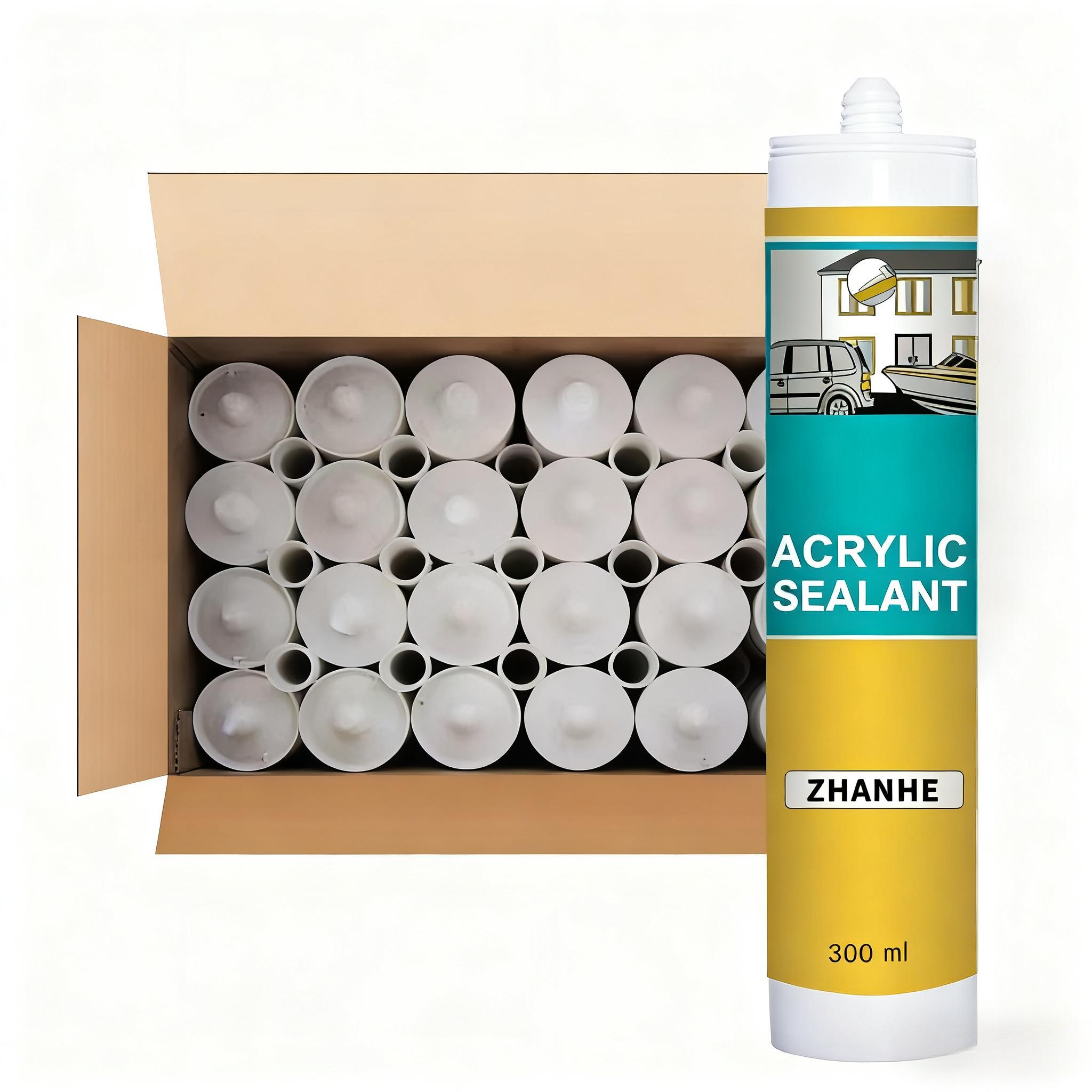
5. Acrylic sealant
Composition: Acrylic emulsion
Characteristics: Paintable, extremely low price.
Application: Indoor wall cracks, gypsum board joints (dry environment).
Disadvantages: not resistant to water, poor elasticity (displacement capacity ≤±10%).
6. Polyurethane sealant
Composition: Polyurethane prepolymer
Characteristics: abrasion/oil resistance, high elasticity (displacement capacity ±25%).
Application: concrete expansion joints, road caulking, garage floor.
Fatal disadvantages: afraid of moisture (construction needs to be absolutely dry), not resistant to ultraviolet rays.
Selection Principle:
Outdoor weather-resistant → silicone weather-resistant adhesive | Structural load-bearing → silicone structural adhesive
- Kitchen & Bathroom Anti-Mildew → Neutral Glass Glue (Non-Acidic) | Environmentally friendly and can be finished → MS adhesive
- Temporary repair → acrylic glue | Floor wear-resistant → polyurethane glue
Ⅱ. Construction FAQs
1. General Questions
How to design the glue seam?
Standard ratio: width: depth = 2:1 (such as 10mm width × 5mm depth), too deep needs to be filled in stages.
Critical: Avoid bonding on three sides (isolated with backing material) to prevent stress tearing.
What to do with the substrate?
Metal/Glass: Degreasing with acetone or alcohol;
Concrete/stone: remove floating ash, porous substrates must be primed;
Construction environment: temperature 5~40 °C, humidity ≤ 70% (polyurethane glue requires absolute drying).
2. Special questions about materials
What should I do if acid glass glue corrodes metal?
Immediate Processing: Scrape off the uncured colloid and replace it with neutral glass glue or MS glue.
Prevention: Aluminum, copper, marble and other substrates are prohibited from acidic glue.
Does the polyurethane glue blister or peel off?
Cause: The substrate is damp and the adhesive layer is too thick.
Solution: Dry the substrate with a heat gun before caulking, and the thickness of a single layer is ≤ 10mm.
Silicone glue doesn't stick firmly?
Check: whether the cleanliness and humidity of the substrate exceed the standard, and whether the structural adhesive is within the shelf life.
Solution: Polishing the surface of the substrate and applying a special primer to enhance adhesion.
Can MS adhesive surface be painted?
Yes: 48 hours after curing, apply water/oil-based paint directly (the same goes for acrylic adhesives).
4. Security & Storage
Peculiar smell treatment: acrylic glue is ventilated during construction, MS glue/silicone glue has no peculiar smell;
Skin contact: the uncured glue is wiped with acetone, and the hard object is scraped off after curing;
Storage: sealed and protected from light (5~30 °C), polyurethane glue needs to be moisture-proof, and the shelf life is generally 12 months.
Final Recommendations:
1. Be sure to do a compatibility test (glue + substrate + adjacent materials) before large-area construction;
2. Certified structural adhesive must be used for structural engineering (check packaging GB 16776 mark);
3. Outdoor areas with long-term flooding (such as swimming pools) use neutral anti-mildew silicone glue.